
The Role of Cleanliness in Ensuring Safe Meals
Food safety is crucial for health and well-being. A clean kitchen helps prevent foodborne illnesses. Without regular cleaning, kitchens can harbor bacteria, pests, and other contaminants. These threats can affect the quality of your meals. Keeping your kitchen clean ensures that food preparation areas are safe. It helps maintain hygiene standards and protects everyone who uses the space.
Why Hygiene Matters in Your Cooking Space
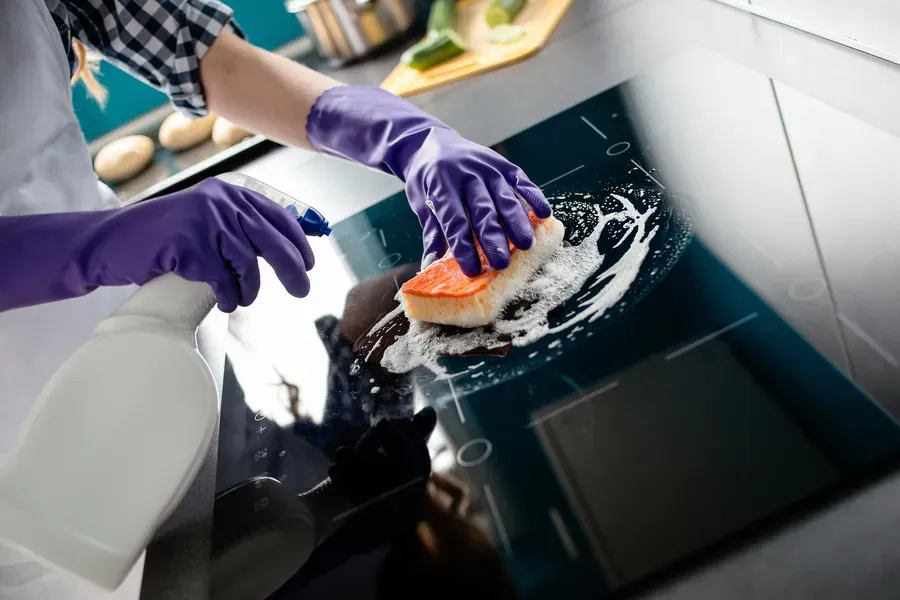
Your kitchen is where you prepare meals daily. When it comes to food safety, regular kitchen cleaning plays a vital role. This process involves sanitizing surfaces and tools used for cooking. By keeping these areas clean, you minimize the risk of cross-contamination. Harmful bacteria like Salmonella and E. coli thrive on unclean surfaces. Regular cleaning routines reduce their presence significantly.
Protecting Health Through Regular Upkeep
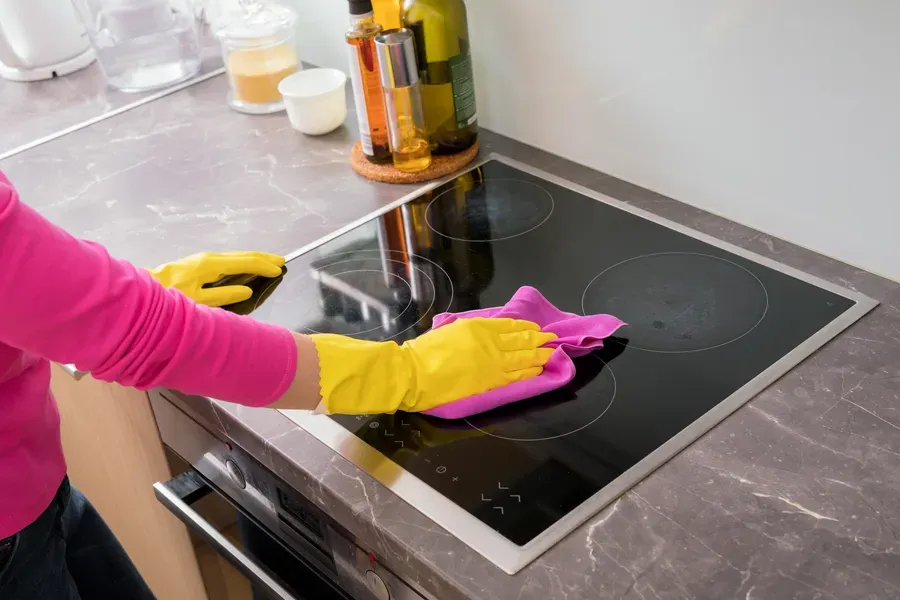
A consistent routine of kitchen cleaning shields against potential health hazards. Tools and equipment that touch raw foods should be cleaned thoroughly. For instance, cutting boards must be washed after each use to avoid spreading germs. Similarly, countertops must be wiped down regularly with disinfectant solutions. In doing so, your kitchen remains a safe place for meal preparation.
Steps for Effective Kitchen Management
Maintaining a clean kitchen involves several steps:
- Wipe down all cooking surfaces daily
- Wash utensils and cutting boards immediately after use
- Empty trash bins regularly to avoid pest attraction
- Clean spills promptly to prevent bacterial growth
Tackling Common Challenges in Kitchen Sanitation
While keeping a kitchen tidy may seem straightforward, challenges exist. One major issue is neglecting hard-to-reach spots, which can become breeding grounds for bacteria. Another common problem is using the same cloth or sponge across multiple surfaces without proper disinfection. Addressing these issues requires diligence and awareness during your cleaning routine.
Expert Tips for Maintaining Clean Spaces
Experts recommend several practices for maintaining a spotless kitchen:
- Use separate sponges for different tasks to avoid contamination
- Replace cleaning cloths frequently to ensure hygiene
- Invest in color-coded chopping boards to distinguish between raw meats and vegetables
- Store foods properly in sealed containers to deter pests
Understanding Industry Standards and Requirements
The food industry follows strict regulations regarding cleanliness and safety. Adhering to these standards not only assures compliance but also guarantees safety in private homes. Familiarize yourself with guidelines from organizations like the FDA and USDA. These bodies outline procedures and protocols necessary for ensuring safe food handling practices.
Balancing Costs With Kitchen Hygiene Benefits
The cost of maintaining a clean kitchen should be weighed against its benefits. Investing in quality cleaning supplies can save money by preventing spoilage and waste. Moreover, a sanitary kitchen environment enhances the dining experience by delivering safe meals consistently. The long-term advantages far outweigh any initial expenditure.
Keeping Your Kitchen Safe Starts With You
Your commitment to maintaining a clean kitchen is crucial for everyone’s health. By following best practices, you contribute to overall food safety. At Soapy Hands cleaning service, we understand the importance of meticulous care in kitchen spaces. Our team offers expert advice tailored to individual needs. Reach out today at (512) 318-2692 to learn more about creating a hygienic environment. Located in Austin, TX, our services aim to enhance your everyday culinary experiences.